Mobility: The Key to Lifting Better and Staying Injury-Free
Steve Co-Founder of Lean Nutrition • September 24, 2025
Unlock your body’s full potential with simple mobility habits

Most people don’t think much about mobility until they’re forced to. You tweak your back or your knee, end up sidelined for weeks, and suddenly realize how important it is. There’s also this myth that lifting weights makes you less mobile. That’s just not true. When you lift properly, through a full range of motion, you can actually improve your mobility while building muscle.
And the best part is it doesn’t take much time. Ten to twenty minutes a couple of times a week is all it takes to keep your body moving well. That’s a lot better than spending months in physical therapy because you ignored the issue.
What Mobility Actually Is
Mobility is your ability to move your body freely through a natural, full range of motion. It’s not just flexibility (how far you can stretch). Mobility is whether you can use your joints and muscles the way they’re supposed to work.
Here’s a simple test: if you can’t do a deep bodyweight squat or even reach behind your back, you probably need to work on your mobility. Good mobility makes you more athletic, prevents injuries, and makes everyday things like bending down, reaching overhead, or turning your neck while driving much easier.
How to Improve Mobility
There are three main things you should do:
Lift through a full range of motion
If you’re always doing partial reps (think half squats or benching only halfway down), you’re teaching your body to stay tight and restricted. Full reps, on the other hand, help keep your joints moving the way they should.
Stay active outside the gym
The person who lifts weights but sits for the rest of the day is going to be a lot stiffer than the person who plays a sport, goes for walks, hikes, or just moves more during the day. Staying active naturally keeps your joints looser and more resilient.
Do short mobility sessions a couple of times a week
This doesn’t have to be complicated or time-consuming. Focus on the joints and areas that most often get tight: shoulders, elbows, knees, hips, ankles, spine, and neck. Ten to twenty minutes is enough to make a huge difference.
One thing you should avoid is static stretching before lifting. This old-school advice is outdated. Stretching like that before training can make you weaker in the gym and actually increase your chance of injury. Save mobility work for after you train or on separate days.
Common Problem Areas and How to Fix Them
Shoulders
Do this shoulder extension drill: stand tall with your arms at your sides and palms facing behind you. Drop into a deep squat while keeping your arms extended back behind you. Hold the stretch for a moment at the tightest spot, then stand back up. Repeat four to six times and go a little deeper each rep.
Elbows
Straighten one arm out in front of you and use your other hand to gently help it extend as far as it will go. You can also press against a stable surface for leverage. Go slow and repeat four to six times.
Knees
Stand with one leg in front of the other and lock the front knee out straight. Place your hands above that knee and gently push the thigh backward, fully extending the knee. Repeat four to six times, focusing on pain-free range.
Lower Back
Lie face-down on the ground with your hands under your shoulders. Press up like you’re doing a cobra pose in yoga, keeping your hips on the floor. Move slowly and repeat nine to ten times. Only go as far as you can without pain.
Neck
Tilt your head back slowly until you’re looking straight up, then bring it back down. Repeat nine or ten times.
Ankles
Get into a half-kneeling lunge position. Drive your front knee forward over your ankle, keeping the front heel barely hovering above the ground. Repeat four to six times, easing further into the movement each time.
Hips
From the same lunge position, drive your hips forward as far as possible while keeping your front heel flat on the ground. Hold briefly, then return to the start. Repeat four to six times.
How to Put It All Together
Here’s the simple formula:
Lift with a full range of motion on every exercise
Stay active every day, even if it’s just walking or playing a sport
Pick a few mobility drills for the areas that give you the most trouble and do them two or three times a week
That’s all you need to keep your joints healthy and your body moving the way it’s supposed to. Most of these drills take less than 20 minutes, and the payoff is huge. You’ll feel better, perform better in the gym, and avoid injuries that can set you back for months.
One last thing: don’t ignore your ankles. Poor ankle mobility is one of the biggest reasons people struggle with squats and other lower body lifts. Fix your ankles first, and you’ll be surprised how much it improves everything else.
Yours in Health & Fitness,
-Steve
Co-Founder of Lean Nutrition
Previous WODs

What A CrossFit Affiliate Can Be

Coaching Is a Profession: Why Raising the Standard Matters

Build the Foundation Before You Optimize
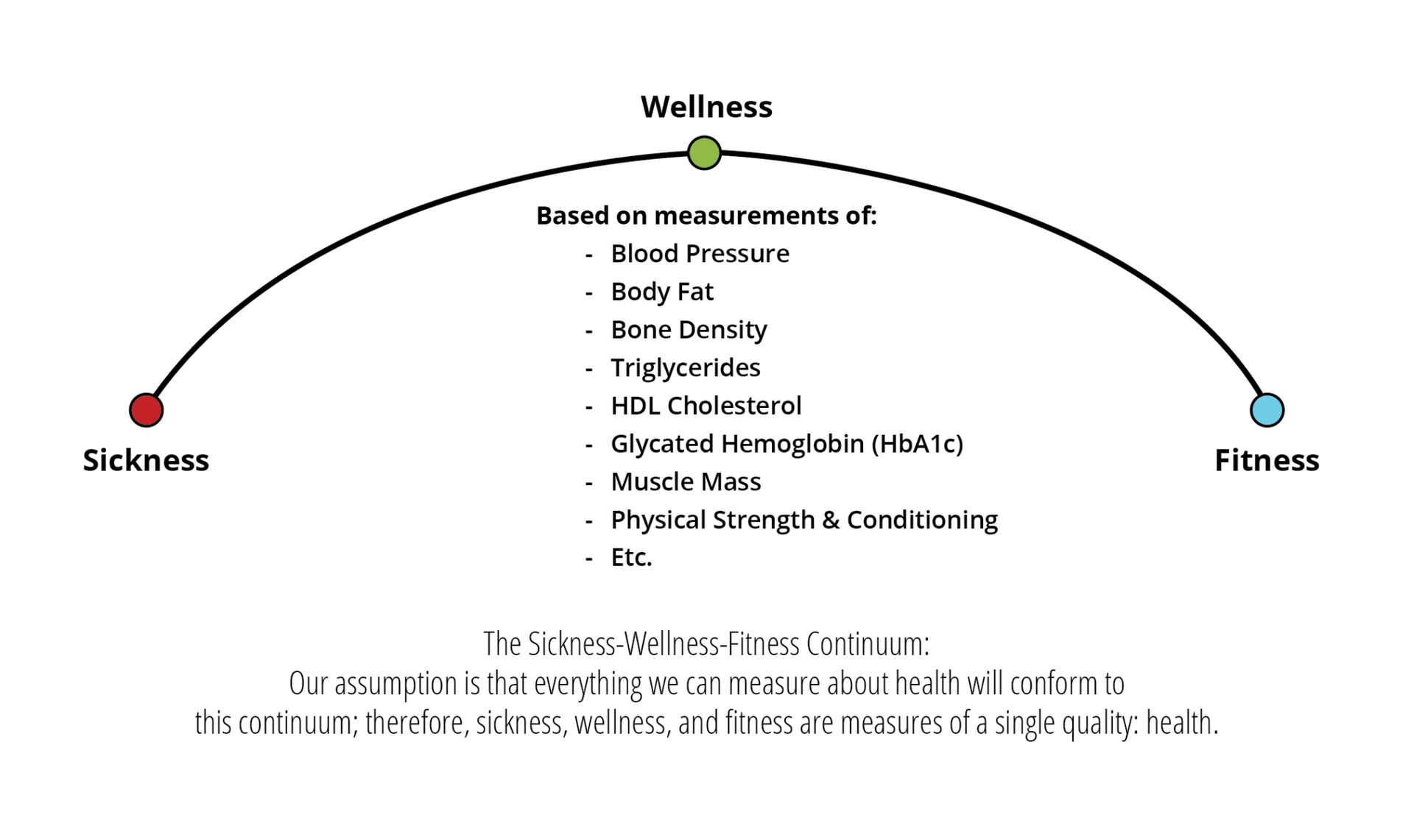
Understanding the Sickness–Wellness–Fitness Continuum

W earables Know a lot About Us
How To Get Back Into A Healthy Routine This Fall

Fitness, Nutrition & Mindset Trends
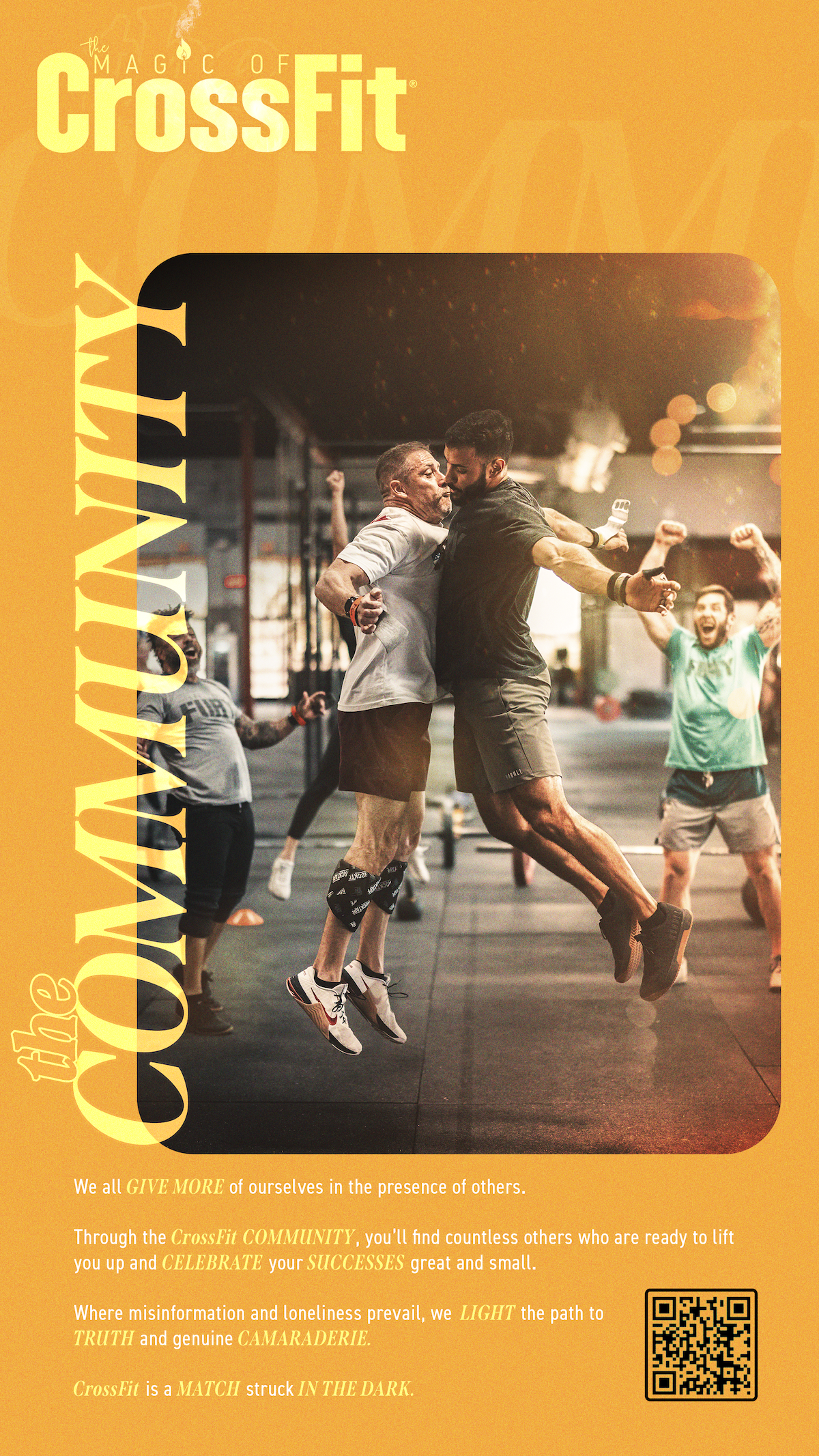
Connection is a Fundamental Human Need

Protein, Plants and Proof: Why the basics are still winning

If you’re looking for a simple, sustainable way to clean up your nutrition without overthinking it, Hungryroot is a powerful strategy. You start with a quick quiz so your food actually matches your preferences. Then you choose the types of meals and groceries you want—keeping it aligned with your goals. One of the biggest wins? You can check off “no snacks,” which removes temptation before it even starts. Add in high-quality ingredients and recipes that take under 15 minutes, and you’ve eliminated the biggest barriers: time, decision fatigue, and convenience. Take control of your environment—this is how real change sticks. Get started here: https://www.hungryroot.com/r/UDOQDNC9
Stop missing out
Lorem ipsum dolor sit amet, consectetur adipiscing elit, sed do eiusmod tempor incididunt ut labore et dolore magna aliqua.