Aging Healthfully: What My November WHOOP Data Reveals About the Power of CrossFit
Coach Kris Perry-Tedesco • December 7, 2025
This is a subti
One of the things I love most about CrossFit is that it gives us real evidence—inside and outside the gym—that we are in control of how we age. Not by chasing perfection, but by consistently showing up, putting in the work, and recovering with intention.
This November, my WHOOP data gave me a clear snapshot of what’s working and where I can tighten up my habits. And as a coach, I want to share this because healthy aging isn’t random. It’s trainable. It’s measurable. And it’s available to every single one of us.
My Pace of Aging:
Slowing Down the Clock
The biggest win this month?
My Pace of Aging slowed from 0.6x → 0.4x.
That means my body is aging slower than expected.
This lines up with what the research says: maintaining aerobic capacity and muscle mass (two things CrossFit gives us in spades) is strongly linked to slower biological aging and better long-term health. Harvard and the British Journal of Sports Medicine have both published studies showing that interval training plus strength work are two of the most powerful levers we have for longevity.
We don’t age passively.
We age according to what we practice. Habits Matter!
Training Metrics That Matter
My top activity this month was Functional Fitness—no surprise there.
Here’s a quick snapshot:
VO₂ Max improved to 40
509 minutes in aerobic zones (1–3)
159 minutes in high-intensity zones (4–5)
Hit 10+ strain on 20 days
Average sleep: 7 hrs 50 min
Sleep consistency: 77%
This is the blend that improves heart health, builds lean tissue, supports metabolism, and boosts energy. And the research supports this:
High-intensity training improves VO₂ max, the #1 predictor of long-term cardiovascular health.
Strength training reduces all-cause mortality and protects bone density and muscle mass.
Basically: the CrossFit methodology works!
Recovery: The Quiet Driver of Longevity
This month I logged:
7 green recoveries
5 red recoveries
30 total tracked recoveries
Recovery is where the adaptation happens. Green days tell me my system was primed for work. Red days tell me to adjust my intensity, walk more, hydrate, and manage stress.
Healthy aging isn’t about avoiding stress—it’s about improving your capacity to recover from it. Sleep, nutrition, breathwork, sunlight, mobility… these things add up.
Science says the same thing: regular physical activity + consistent sleep patterns are two of the strongest predictors of long-term cognitive and cardiovascular health.
Movement Outside the Gym Still Matters
I took 256,800 steps this month—down from last month—and I felt it. My resting heart rate moved from 60 → 63.
Walking is one of the simplest longevity tools we have. It improves blood sugar, digestion, metabolism, stress, and overall cardiovascular health. CrossFit gives us intensity. Walking gives us the foundation. We need both.
What I’m Taking Into Next Month
Here’s what I’m learning as both an athlete and a coach:
Aging healthfully is built on consistency, not perfection.
The combination of strength training + aerobic conditioning is unbelievably powerful.
Recovery habits matter as much as training habits.
Small behaviors—steps, sleep, hydration—show up in long-term health markers.
We can absolutely take control of how we age.
CrossFit trains you for the next workout, yes.
But it also trains you for the next decade.
I should also note that I was sick for about 10 days during this timeframe, which definitely influenced a few of these metrics—especially my step count and overall energy output. It was a good reminder that health isn’t about avoiding setbacks; it’s about how quickly we return to our routines once we’re back on our feet. Even with that downtime, the consistency before and after those sick days still moved the needle in a positive direction.
What’s Coming Next
I’ll be turning this into a longer educational series on:
How CrossFit improves metabolic health as we age
Why VO₂ max matters more than the number on the scale
Strength training after 40
Using sleep and recovery to influence biological age
Training strategies for long-term health vs. short-term intensity
If you want to age with strength, mobility, confidence, and purpose, stay tuned. There’s so much more to dive into.
Here’s to aging like an athlete, not an accident.
— Coach Kris 🏹
Previous WODs
Work Stress and Exercise: How to Train, Eat, and Recover During Busy Weeks Have you ever arrived at the gym feeling like you've already completed a workout? Not because you already have. Because you've spent the entire day working, managing responsibilities, making decisions, dealing with unexpected problems, and trying to keep up with everything that needs your attention. By the time you finally have an opportunity to exercise, you're exhausted. And now you're supposed to work hard. Sound familiar? A recent national workplace survey reported that 75% of employees experience workplace stress . That's a significant number of people navigating demanding days while also trying to take care of their health. It raises an interesting question. How do we approach exercise, nutrition, and recovery when life is already asking so much from us? Your Workout Isn't the Only Thing Demanding Energy We often think about exercise as something separate from the rest of our lives. We go to work. We manage our responsibilities. Then we go to the gym. But our bodies don't experience those activities as completely unrelated events. Physical training creates demands that our bodies must adapt to. So do insufficient sleep, demanding work schedules, and other sources of stress. That doesn't mean all stress is bad. In fact, appropriately challenging exercise is one of the ways we become fitter. The important distinction is understanding that our capacity to recover and adapt can be influenced by what's happening outside the gym. Training Hard Still Matters At Warrior's Path CrossFit, we believe in challenging people. We want our members to become stronger, improve their cardiovascular fitness, learn new skills, and accomplish things they previously thought were beyond their abilities. Those improvements require effort. Sometimes significant effort. But there's a difference between applying an appropriate training stimulus and assuming that harder is always better. Imagine two athletes performing the same workout. One slept well, feels recovered, and is ready to challenge a previous performance. The other has been working long hours, sleeping poorly, and feeling unusually fatigued. Both can benefit from training. But the most appropriate approach may not look the same. That's where coaching becomes valuable. Not because we want to remove every challenge. Because we want the challenge to accomplish something useful. Stress Can Influence How We Eat Nutrition presents another interesting challenge. When life becomes demanding, eating behaviors can change. Some people find themselves eating quickly or skipping meals. Others may rely more heavily on convenient foods. Some notice changes in hunger, appetite, or their usual routines. And now we're seeing new research examining whether the timing of meals may also influence health. That's worth investigating. But research findings shouldn't automatically become another source of anxiety about food. A person working an overnight shift, for example, may have limited control over when meals fit into the day. Rather than immediately introducing another rule, we can explore what's happening. Are meals being missed? Is someone regularly arriving at workouts without enough energy? Are there opportunities to make food more accessible? What would help? Those questions can lead to useful behavior changes. Mindset Isn't Just About Pushing Harder Here's where I think we sometimes misunderstand discipline. When we're struggling, our first instinct may be to demand more from ourselves. Try harder. Be more organized. Wake up earlier. Stop making excuses. And sometimes greater effort really is necessary. But sometimes the problem isn't effort. It's that we're trying to manage too many demands without enough resources. An effective mindset involves recognizing that distinction. What deserves your attention? What can wait? Where would additional effort make a meaningful difference? Where might support be useful? These aren't questions about lowering expectations. They're questions about directing effort effectively. What Does Your Body Need From You This Week? Here's something worth considering. Before your next workout, take a moment to notice how you're feeling. Not to decide whether you deserve to exercise. But to understand what you're bringing into the experience. Are you energized? Tired? Mentally distracted? Excited to train? Struggling with recovery? That information can help guide a productive conversation with your coach. The same principle applies to nutrition and other healthy behaviors. You don't need to respond to every demanding week by abandoning your goals. And you don't need to prove your commitment by ignoring every signal that something needs attention. The goal is to keep developing your health while learning how to manage the demands that come with living. At Warrior's Path CrossFit, that's part of what professional coaching is about. We challenge people. We teach. We observe. We help them make informed decisions. Because the purpose of training isn't simply to see how much effort someone can tolerate. It's to help them become healthier, fitter, and more capable through the process. Editorial note: This article is intended as general education, not guidance for diagnosing or treating burnout, sleep disorders, or other medical conditions.
Fitness Should Be Fun: Why Enjoying Exercise Matters for Long-Term Success

What A CrossFit Affiliate Can Be
Coaching Is a Profession: Why Raising the Standard Matters
Build the Foundation Before You Optimize
Understanding the Sickness–Wellness–Fitness Continuum
W earables Know a lot About Us
How To Get Back Into A Healthy Routine This Fall

Fitness, Nutrition & Mindset Trends
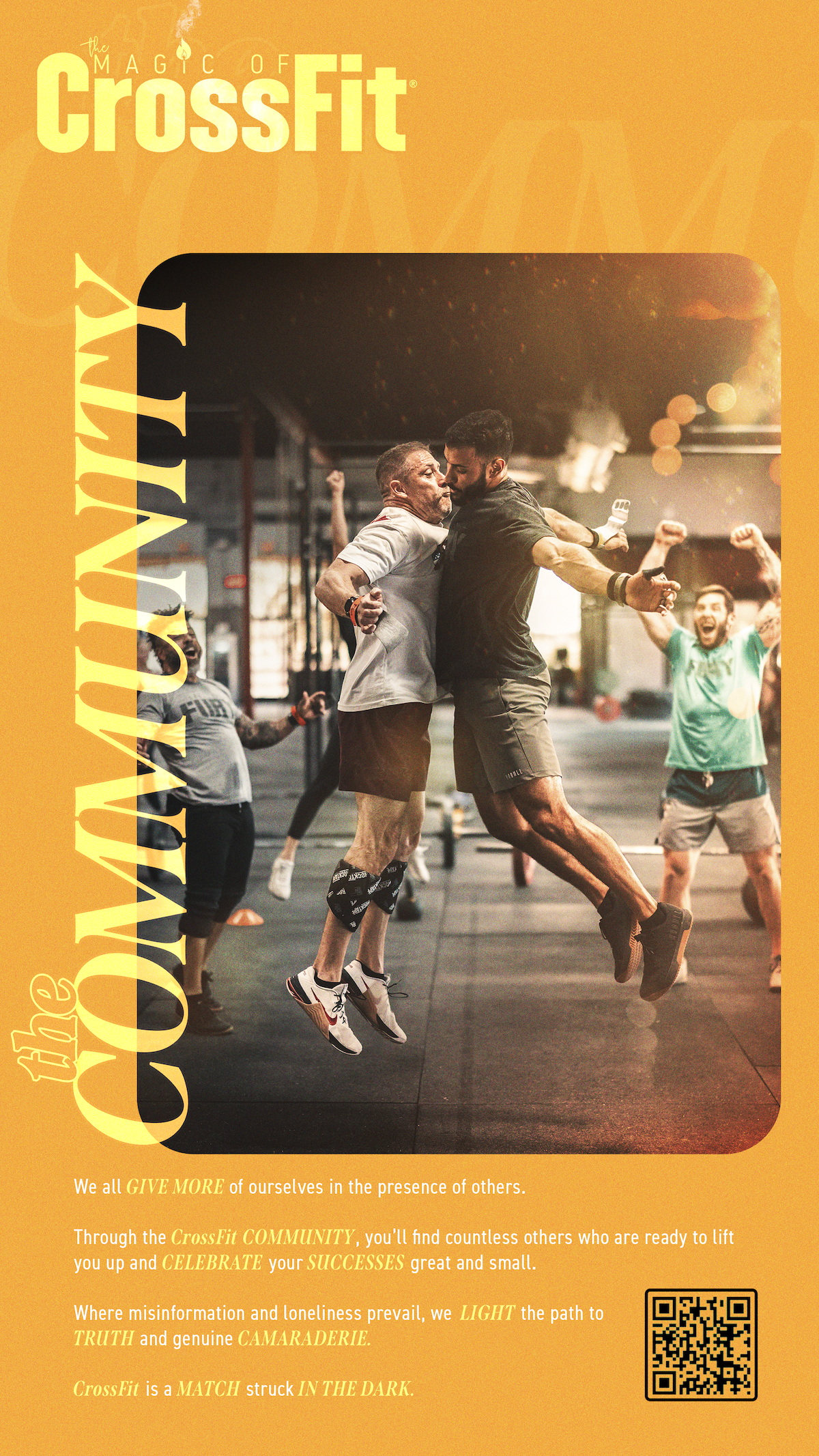
Connection is a Fundamental Human Need
Stop missing out
Lorem ipsum dolor sit amet, consectetur adipiscing elit, sed do eiusmod tempor incididunt ut labore et dolore magna aliqua.