Coaching is a Profession: Why Raising the Standard Matters
Coaching Is a Profession: Why Raising the Standard Matters
When most people think about CrossFit, they probably think about the workouts.
Barbells. Pull-ups. Running. Rowing. Burpees. Gymnastics. Maybe the CrossFit Games.
But the longer I've been in this profession, the more convinced I've become that the workout isn't the most important part of what happens inside a CrossFit affiliate.
The coaching is.
A workout written on a whiteboard is just a workout.
A professional coach turns that workout into an appropriate experience for the individual standing in front of them.
That's an important distinction—and it's one I believe CrossFit is increasingly emphasizing as it continues to elevate its professional standards.
CrossFit Is More Than a Workout
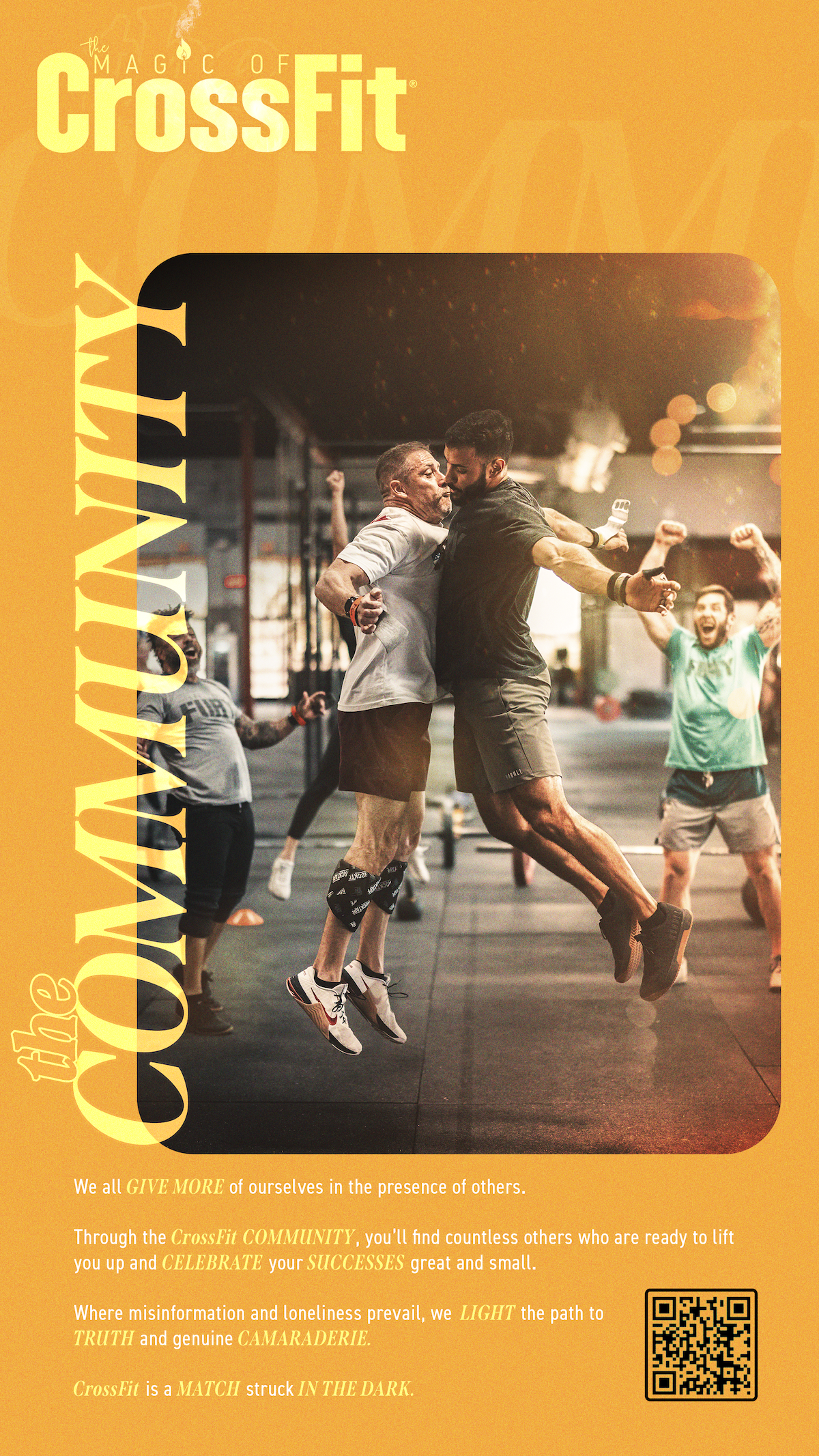
One of the ideas CrossFit has been emphasizing is the CrossFit Effect: what happens when effective training, skilled coaching, education, and community come together to influence someone's health and fitness.
That effect doesn't happen simply because someone performs thrusters and pull-ups.
The methodology matters.
But so does the delivery.
A coach needs to understand movement well enough to teach it.
They need to be able to see what an athlete is actually doing rather than what they think they're doing.
They need to know how and when to correct movement.
They need to manage a group without losing sight of the individual.
They need to demonstrate effectively, communicate clearly, and create an environment where people feel both challenged and supported.
And they need to understand that the goal isn't simply getting someone through today's workout.
The goal is helping that person become fitter over time.
That's a profession.
Certification Should Be a Starting Point
CrossFit has always placed education at the center of its coaching model, beginning with the Level 1 Certificate Course and continuing through increasingly advanced credentials and specialty education.
But earning a credential doesn't mean you've finished becoming a coach.
It means you've established a foundation.
The development of a professional coach happens over hundreds—and eventually thousands—of hours.
You coach.
You observe.
You make mistakes.
You receive feedback.
You learn to communicate the same concept in five different ways because five different athletes may need to hear it differently.
You become better at seeing movement.
You become more precise with your cues.
You learn when to speak and, equally importantly, when to let someone move.
Eventually, you realize that great coaching isn't about demonstrating how much you know.
It's about helping the person in front of you succeed.
CrossFit Is Raising the Professional Standard
What's particularly interesting about CrossFit's current direction is that professional development is becoming broader than movement instruction alone.
CrossFit's education ecosystem increasingly recognizes several dimensions of the profession.
There's the coaching track—developing the technical and interpersonal skills required to coach people effectively.
There's the business track—helping affiliate owners build sustainable businesses capable of supporting professional coaches and serving their communities for the long term.
And there's the partner ecosystem, connecting affiliates and coaches with resources that can support their athletes, operations, and continued development.
That matters.
Because if we want coaching to be treated like a profession, we need to build the infrastructure of a profession.
We need standards.
We need continuing education.
We need mentorship.
We need career development.
And we need businesses healthy enough to create meaningful opportunities for great coaches.
A Great Athlete Isn't Automatically a Great Coach
This is another distinction worth making.
The best athlete in the room isn't necessarily the best future coach.
Being able to perform a movement and being able to teach that movement are different skills.
A coach doesn't need to be the strongest person in the gym.
They don't need to be the fastest.
They don't need to perform every advanced CrossFit movement.
What they need is curiosity.
To be forever students.
They need the willingness to keep learning.
They need to care about other people's progress.
And they need to develop the ability to teach, see, correct, manage, demonstrate, and connect.
Those skills can be developed.
But they require intentional development.
Affiliates Have a Responsibility Too
Professionalizing coaching can't come entirely from CrossFit headquarters.
Affiliate owners have a role.
If we want better coaches, we have to create environments where coaches can become better.
That means feedback.
Education.
Practice.
Mentorship.
Clear expectations.
And opportunities to gradually take on greater responsibility as competence develops.
We shouldn't simply hand someone a credential and a class of twelve people and hope everything works out.
Developing coaches should itself be coached.
That's something I've been thinking about quite a bit at Warrior's Path CrossFit as we look toward our next decade.
How do we identify people who may have the potential and desire to coach?
How do we give them an opportunity to explore that interest?
How do we develop them deliberately rather than simply filling holes in a schedule?
And how do we protect the culture and coaching standards our members already expect?
Those questions matter because growth for the sake of growth isn't the goal.
Better coaching is.
The Member Should Feel the Difference
Ultimately, professionalization isn't about collecting credentials to hang on a wall.
The athlete should experience it.
They should walk into class and know someone has thought about how today's workout fits them.
They should understand the intended stimulus.
They should know why a movement is being modified.
They should receive useful feedback.
They should feel safe asking questions.
They should know their coach notices their progress.
And they should leave with greater confidence in what their body can do.
That's the CrossFit Effect at the affiliate level.
It's not one workout.
It's what happens when excellent coaching is repeated week after week, month after month, and year after year.
Coaching Deserves to Be Treated Like a Profession
I've been coaching long enough to know that the more you learn, the more you realize there is still to learn.
That's part of what makes this work so rewarding.
We aren't simply leading workouts.
We're teaching people how to move.
We're helping them develop physical capacity.
We're helping them navigate setbacks.
We're creating environments where consistency becomes easier.
And, over time, we're helping people change what they believe they're capable of doing.
That's meaningful work.
And meaningful work deserves professional standards.
CrossFit continuing to invest in education, development, and the professionalization of coaching is good for coaches.
It's good for affiliate owners.
But most importantly, it's good for the person who walks through the door and trusts us with their health.
Because the future of CrossFit won't be determined only by the workouts we write.
It will be determined by the quality of the coaches who deliver them.
Fitness = Freedom. Health = Wealth.
Take the Warrior's Path.
Previous WODs




Stop missing out
Lorem ipsum dolor sit amet, consectetur adipiscing elit, sed do eiusmod tempor incididunt ut labore et dolore magna aliqua.