The Great Shift: Part 1
Coach Kris Perry-Tedesco • April 19, 2025
How One Tuesday Changed Everything

Part 1: It started on a Tuesday. No one knows why Tuesday—maybe the universe just likes underdogs.
One by one, people began showing up at their local CrossFit boxes. Some came nervously, clutching water bottles like security blankets. Others strutted in like they’d been training for this moment their whole lives (they hadn’t). But all of them were drawn by the same mysterious force: a deep, unexplainable urge to get their lives together.
And then… something even weirder happened.
They kept coming back.
They learned what a hollow body plank was—and then held it. Held it for a while. There was shaking. There was swearing. One guy claimed he saw a light at the end of the tunnel. But no one quit.
They started moving better—slower at first, but with purpose. A coach somewhere in the distance whispered, “Mechanics first,” like it was sacred. And it was. Because when they moved well, they could move more—safely, efficiently, with power. Reps weren’t rushed, they were earned.
And then came consistency. Showing up, rain or shine. Hitting positions again and again, until movement patterns became second nature and the barbell felt like an extension of their body. People who used to hit snooze now hit workouts at 6 a.m., just for fun.
Finally, intensity arrived—not the flailing, red-faced kind, but the focused fire that comes from doing the work right, over and over. They didn’t chase pain; they chased progress. They scaled when needed, rested when necessary, and pushed when it counted.
Meanwhile, grocery carts across the land began to look suspiciously similar: vibrant greens, lean proteins, and eggs that cost more than some rent. Fast food chains went quiet. Couch manufacturers rebranded.
People became harder to annoy. They slept better. They meal-prepped like it was an Olympic event. And instead of breaking down, their bodies—and minds—built up.
The greatest transformation wasn’t just physical (though the abs were a nice bonus). It was in the mindset. A community of people who learned that growth doesn’t come from hacks or shortcuts—it comes from mastering the basics, showing up consistently, and earning the intensity.
And that’s how a random Tuesday turned into the day the world decided to fuel, move, and grow—with mechanics, consistency, and intensity leading the charge.
But of course… no transformation story is complete without a little chaos.
Because just when everyone started feeling confident—like, really confident—something unexpected happened.
It was a chipper workout. Nothing looked too bad on the whiteboard at first glance. A few rounds of something spicy, a couple of sprints, and just enough barbell to keep things interesting. Spirits were high. They even said, “This one looks kinda fun.”
That was the day they met Uncle Pukie.
(Not an actual uncle. Definitely a clown. A terrifying clown.)
Let’s just say... intensity, when misapplied, can come back to haunt you—in Technicolor.
But that’s a story for another time.
Stay tuned for Part 2: “The Day They Met Uncle Pukie the Clown”
A cautionary tale about ego, pacing, and what happens when you skip breakfast before a workout named “Cindy’s Revenge.”
Previous WODs

Work Stress and Exercise: How to Train, Eat, and Recover During Busy Weeks Have you ever arrived at the gym feeling like you've already completed a workout? Not because you already have. Because you've spent the entire day working, managing responsibilities, making decisions, dealing with unexpected problems, and trying to keep up with everything that needs your attention. By the time you finally have an opportunity to exercise, you're exhausted. And now you're supposed to work hard. Sound familiar? A recent national workplace survey reported that 75% of employees experience workplace stress . That's a significant number of people navigating demanding days while also trying to take care of their health. It raises an interesting question. How do we approach exercise, nutrition, and recovery when life is already asking so much from us? Your Workout Isn't the Only Thing Demanding Energy We often think about exercise as something separate from the rest of our lives. We go to work. We manage our responsibilities. Then we go to the gym. But our bodies don't experience those activities as completely unrelated events. Physical training creates demands that our bodies must adapt to. So do insufficient sleep, demanding work schedules, and other sources of stress. That doesn't mean all stress is bad. In fact, appropriately challenging exercise is one of the ways we become fitter. The important distinction is understanding that our capacity to recover and adapt can be influenced by what's happening outside the gym. Training Hard Still Matters At Warrior's Path CrossFit, we believe in challenging people. We want our members to become stronger, improve their cardiovascular fitness, learn new skills, and accomplish things they previously thought were beyond their abilities. Those improvements require effort. Sometimes significant effort. But there's a difference between applying an appropriate training stimulus and assuming that harder is always better. Imagine two athletes performing the same workout. One slept well, feels recovered, and is ready to challenge a previous performance. The other has been working long hours, sleeping poorly, and feeling unusually fatigued. Both can benefit from training. But the most appropriate approach may not look the same. That's where coaching becomes valuable. Not because we want to remove every challenge. Because we want the challenge to accomplish something useful. Stress Can Influence How We Eat Nutrition presents another interesting challenge. When life becomes demanding, eating behaviors can change. Some people find themselves eating quickly or skipping meals. Others may rely more heavily on convenient foods. Some notice changes in hunger, appetite, or their usual routines. And now we're seeing new research examining whether the timing of meals may also influence health. That's worth investigating. But research findings shouldn't automatically become another source of anxiety about food. A person working an overnight shift, for example, may have limited control over when meals fit into the day. Rather than immediately introducing another rule, we can explore what's happening. Are meals being missed? Is someone regularly arriving at workouts without enough energy? Are there opportunities to make food more accessible? What would help? Those questions can lead to useful behavior changes. Mindset Isn't Just About Pushing Harder Here's where I think we sometimes misunderstand discipline. When we're struggling, our first instinct may be to demand more from ourselves. Try harder. Be more organized. Wake up earlier. Stop making excuses. And sometimes greater effort really is necessary. But sometimes the problem isn't effort. It's that we're trying to manage too many demands without enough resources. An effective mindset involves recognizing that distinction. What deserves your attention? What can wait? Where would additional effort make a meaningful difference? Where might support be useful? These aren't questions about lowering expectations. They're questions about directing effort effectively. What Does Your Body Need From You This Week? Here's something worth considering. Before your next workout, take a moment to notice how you're feeling. Not to decide whether you deserve to exercise. But to understand what you're bringing into the experience. Are you energized? Tired? Mentally distracted? Excited to train? Struggling with recovery? That information can help guide a productive conversation with your coach. The same principle applies to nutrition and other healthy behaviors. You don't need to respond to every demanding week by abandoning your goals. And you don't need to prove your commitment by ignoring every signal that something needs attention. The goal is to keep developing your health while learning how to manage the demands that come with living. At Warrior's Path CrossFit, that's part of what professional coaching is about. We challenge people. We teach. We observe. We help them make informed decisions. Because the purpose of training isn't simply to see how much effort someone can tolerate. It's to help them become healthier, fitter, and more capable through the process. Editorial note: This article is intended as general education, not guidance for diagnosing or treating burnout, sleep disorders, or other medical conditions.
Fitness Should Be Fun: Why Enjoying Exercise Matters for Long-Term Success

What A CrossFit Affiliate Can Be
Coaching Is a Profession: Why Raising the Standard Matters

Build the Foundation Before You Optimize
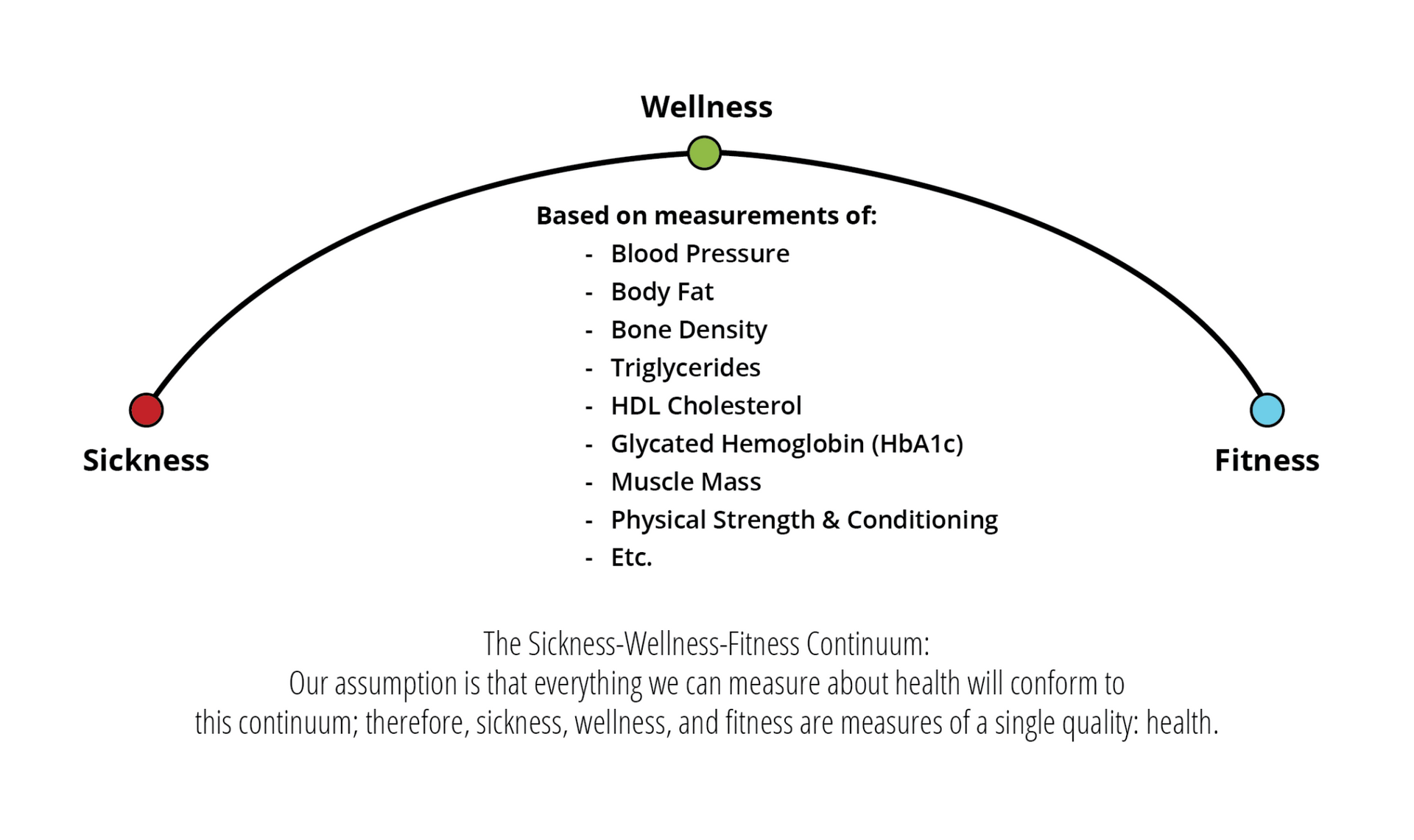
Understanding the Sickness–Wellness–Fitness Continuum

W earables Know a lot About Us
How To Get Back Into A Healthy Routine This Fall

Fitness, Nutrition & Mindset Trends
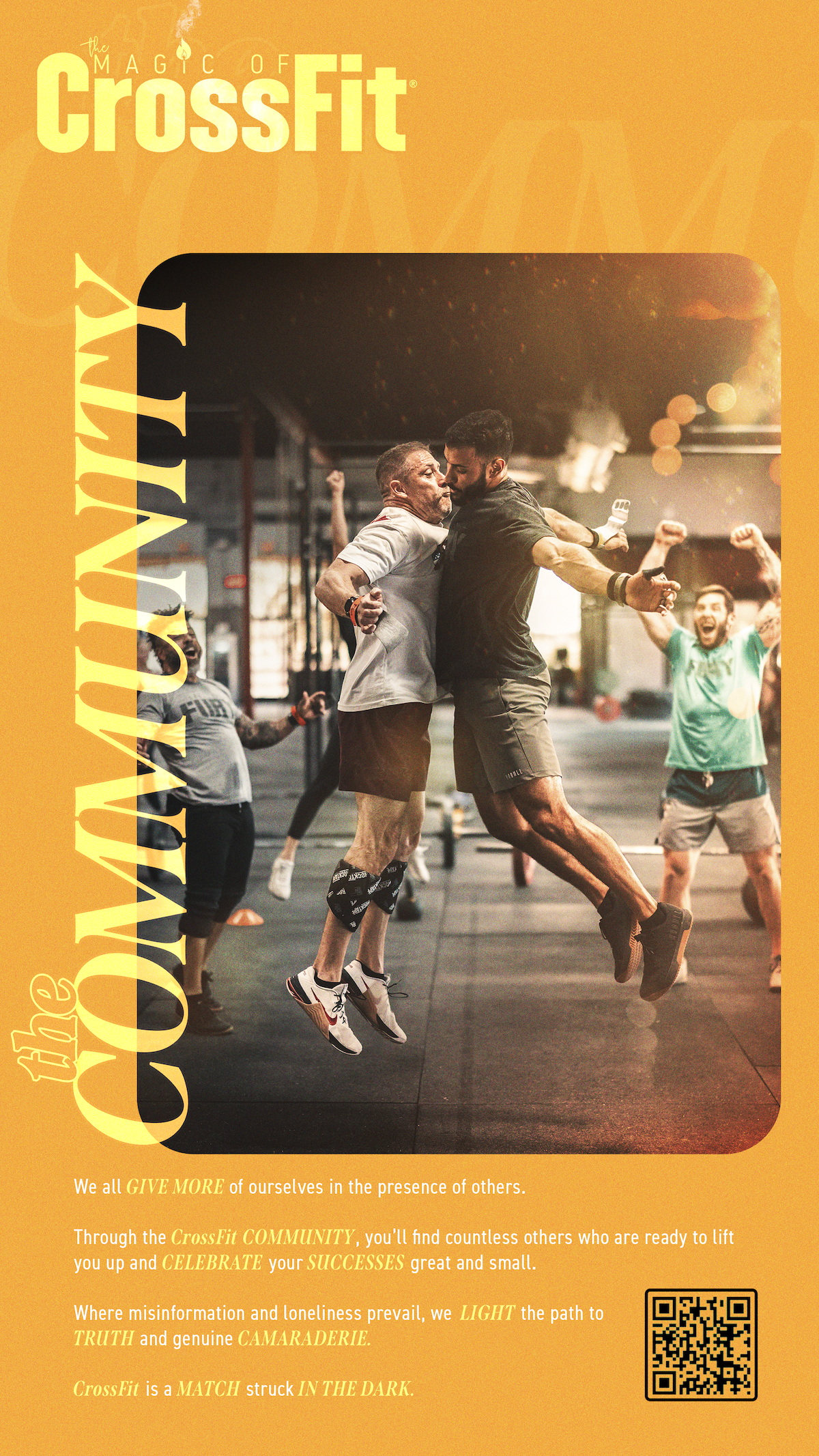
Connection is a Fundamental Human Need
Stop missing out
Lorem ipsum dolor sit amet, consectetur adipiscing elit, sed do eiusmod tempor incididunt ut labore et dolore magna aliqua.