Navigating the Holiday Season and Nutrition
Coach Kris Perry-Tedesco • November 25, 2024
Nutrition and Wellness Tips for the Holiday Season
Nutrition Coaching with Coach KrisThe holiday season is a time of celebration, connection, and—let's face it—a lot of delicious food. While it’s easy to feel overwhelmed by the abundance of treats and gatherings, maintaining balance is entirely possible with a few practical strategies. Here’s how you can enjoy the season without compromising your health goals.
Holidays are a special time to gather with family and friends. On many occasions we look forward to the annual treats, family traditions and unique recipes. We tend to let "celebrations" creep into the everyday with unnecessary over indulgences. Take into consideration we have allowed ourselves to accept it as the normal to unnecessarily indulge over the entire season... over indulging for six weeks!
This year, consider making a choice in advance which are your "holidays" where we enjoy Grandma's homemade pumpkin pie vs which gathering might be more of a "celebration" where we aim to keep our intake in check. We don't have any reason to over eat at the work party at Applebees. Taking this a approach may mean saying no or being mindful about quantities.
Here are 11 strategies to keep in mind while navigating this holiday season. (number 5 might be my favorite tip)
1. Mindful Eating
The hustle and bustle of holiday events can lead to mindless snacking. Combat this by slowing down and savoring every bite. Pay attention to your body’s hunger and fullness cues to prevent overeating. Chew slowly, enjoy the flavors, and try to eat without distractions like TV or scrolling through your phone.
2. Balanced Choices
Holiday meals don’t have to be an all-or-nothing affair. Aim to fill half your plate with veggies and lean proteins, leaving room for your favorite indulgences. This approach allows you to enjoy the season’s best dishes while still nourishing your body.
3. Portion Control
Overindulgence often stems from large portions. Use smaller plates, take smaller servings, and focus on sampling your favorite foods.
4. Stay Hydrated
It’s easy to confuse thirst with hunger, especially with rich, salty holiday dishes. Keep a water bottle handy and sip throughout the day. If you’re enjoying festive drinks, alternate with water to stay hydrated and reduce empty calorie intake.
5. Don’t Skip Meals
Eat BEFORE you go! Ok, maybe not an entire meal. Avoid going to a party hungry because you will likely overeat on the high calorie low nutrient dense Hors D'oeuvres. Skipping meals to "save calories" for a big event can backfire, leading to overeating later. Instead, eat balanced meals throughout the day to keep your blood sugar steady and cravings in check.
6. Healthy Recipe Swaps
Love your holiday favorites but want to lighten them up? Try these simple swaps:
Use Greek yogurt instead of sour cream in dips or casseroles.
Substitute applesauce or mashed bananas for oil in baked goods.
Opt for baked or roasted dishes instead of fried options.
7. Manage Drinking Calories
Holiday beverages like eggnog, mulled wine, and sugary cocktails can add up quickly in calories. Coffee with extra sweeteners can disrupt your sleep schedule. Soda and juice often have a lot of calories too.
8. Prioritize Sleep and Stress Management
With so much going on, sleep and stress can easily spiral out of control, impacting your cravings and energy levels. Aim for consistent sleep and practice relaxation techniques like deep breathing or yoga to manage holiday stress.
9. Focus on Social Connections
Shift the spotlight from food to what truly matters—time with loved ones. Engage in meaningful conversations, play games, or organize activities that bring everyone together without centering the event around eating.
10. Set Realistic Goals
Rather than striving for weight loss, focus on maintaining your current weight during the holidays. This mindset removes unnecessary pressure and helps you enjoy the season without guilt.
11. Keep Moving
Schedule your workouts in advance. Prioritize yourself by staying active which can help offset the extra holiday calories while boosting your mood.
By incorporating these strategies, you can fully enjoy the holiday season while maintaining your health and wellness. Remember, balance—not perfection—is the key.
Celebrate, connect, and indulge mindfully, knowing that every small effort adds up to a healthier, happier you.
Happy holidays!
Share this blog with a friend or family member.
Previous WODs

Work Stress and Exercise: How to Train, Eat, and Recover During Busy Weeks Have you ever arrived at the gym feeling like you've already completed a workout? Not because you already have. Because you've spent the entire day working, managing responsibilities, making decisions, dealing with unexpected problems, and trying to keep up with everything that needs your attention. By the time you finally have an opportunity to exercise, you're exhausted. And now you're supposed to work hard. Sound familiar? A recent national workplace survey reported that 75% of employees experience workplace stress . That's a significant number of people navigating demanding days while also trying to take care of their health. It raises an interesting question. How do we approach exercise, nutrition, and recovery when life is already asking so much from us? Your Workout Isn't the Only Thing Demanding Energy We often think about exercise as something separate from the rest of our lives. We go to work. We manage our responsibilities. Then we go to the gym. But our bodies don't experience those activities as completely unrelated events. Physical training creates demands that our bodies must adapt to. So do insufficient sleep, demanding work schedules, and other sources of stress. That doesn't mean all stress is bad. In fact, appropriately challenging exercise is one of the ways we become fitter. The important distinction is understanding that our capacity to recover and adapt can be influenced by what's happening outside the gym. Training Hard Still Matters At Warrior's Path CrossFit, we believe in challenging people. We want our members to become stronger, improve their cardiovascular fitness, learn new skills, and accomplish things they previously thought were beyond their abilities. Those improvements require effort. Sometimes significant effort. But there's a difference between applying an appropriate training stimulus and assuming that harder is always better. Imagine two athletes performing the same workout. One slept well, feels recovered, and is ready to challenge a previous performance. The other has been working long hours, sleeping poorly, and feeling unusually fatigued. Both can benefit from training. But the most appropriate approach may not look the same. That's where coaching becomes valuable. Not because we want to remove every challenge. Because we want the challenge to accomplish something useful. Stress Can Influence How We Eat Nutrition presents another interesting challenge. When life becomes demanding, eating behaviors can change. Some people find themselves eating quickly or skipping meals. Others may rely more heavily on convenient foods. Some notice changes in hunger, appetite, or their usual routines. And now we're seeing new research examining whether the timing of meals may also influence health. That's worth investigating. But research findings shouldn't automatically become another source of anxiety about food. A person working an overnight shift, for example, may have limited control over when meals fit into the day. Rather than immediately introducing another rule, we can explore what's happening. Are meals being missed? Is someone regularly arriving at workouts without enough energy? Are there opportunities to make food more accessible? What would help? Those questions can lead to useful behavior changes. Mindset Isn't Just About Pushing Harder Here's where I think we sometimes misunderstand discipline. When we're struggling, our first instinct may be to demand more from ourselves. Try harder. Be more organized. Wake up earlier. Stop making excuses. And sometimes greater effort really is necessary. But sometimes the problem isn't effort. It's that we're trying to manage too many demands without enough resources. An effective mindset involves recognizing that distinction. What deserves your attention? What can wait? Where would additional effort make a meaningful difference? Where might support be useful? These aren't questions about lowering expectations. They're questions about directing effort effectively. What Does Your Body Need From You This Week? Here's something worth considering. Before your next workout, take a moment to notice how you're feeling. Not to decide whether you deserve to exercise. But to understand what you're bringing into the experience. Are you energized? Tired? Mentally distracted? Excited to train? Struggling with recovery? That information can help guide a productive conversation with your coach. The same principle applies to nutrition and other healthy behaviors. You don't need to respond to every demanding week by abandoning your goals. And you don't need to prove your commitment by ignoring every signal that something needs attention. The goal is to keep developing your health while learning how to manage the demands that come with living. At Warrior's Path CrossFit, that's part of what professional coaching is about. We challenge people. We teach. We observe. We help them make informed decisions. Because the purpose of training isn't simply to see how much effort someone can tolerate. It's to help them become healthier, fitter, and more capable through the process. Editorial note: This article is intended as general education, not guidance for diagnosing or treating burnout, sleep disorders, or other medical conditions.
Fitness Should Be Fun: Why Enjoying Exercise Matters for Long-Term Success

What A CrossFit Affiliate Can Be
Coaching Is a Profession: Why Raising the Standard Matters

Build the Foundation Before You Optimize
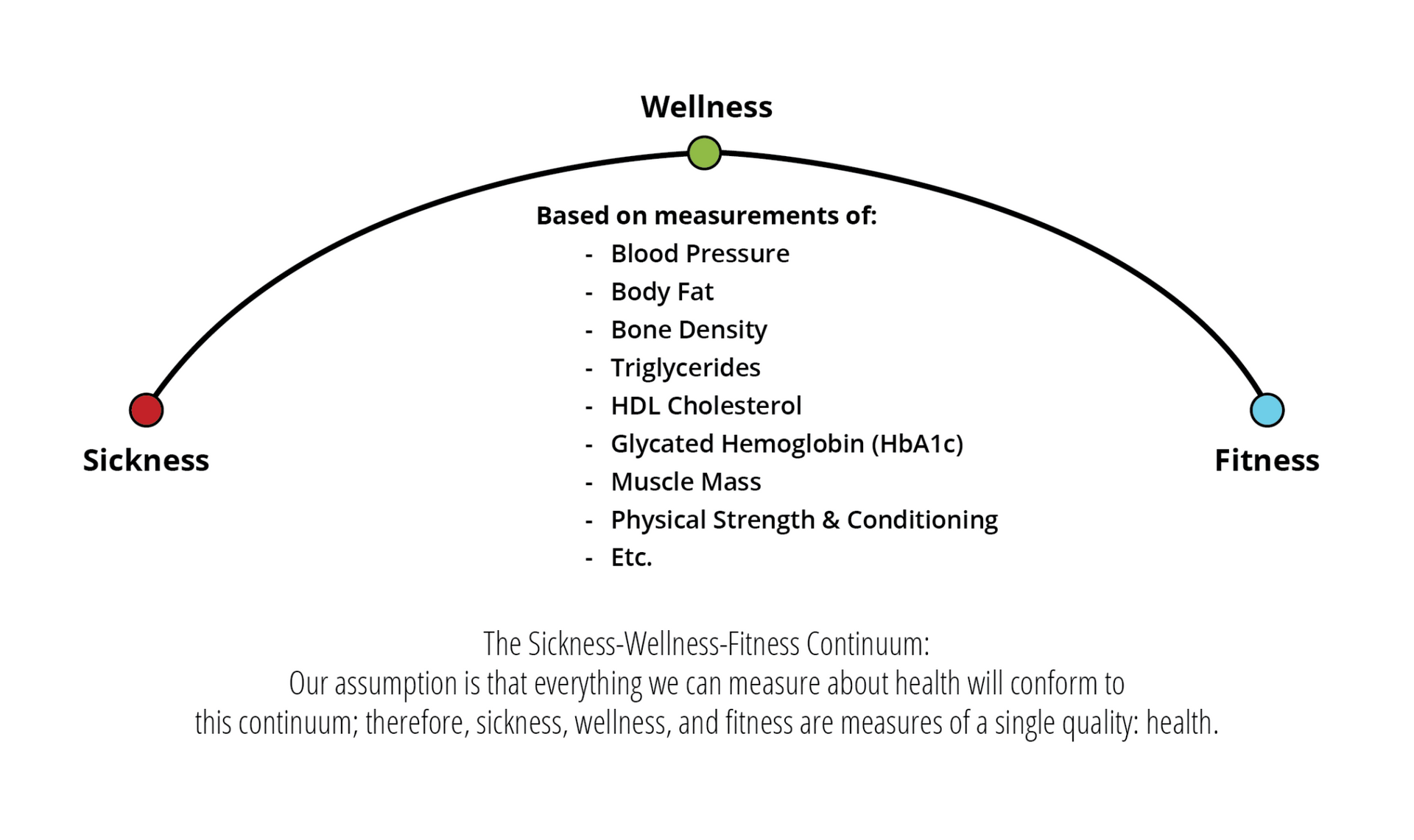
Understanding the Sickness–Wellness–Fitness Continuum

W earables Know a lot About Us
How To Get Back Into A Healthy Routine This Fall

Fitness, Nutrition & Mindset Trends
Connection is a Fundamental Human Need
Stop missing out
Lorem ipsum dolor sit amet, consectetur adipiscing elit, sed do eiusmod tempor incididunt ut labore et dolore magna aliqua.