Is CrossFit Safe?
Coach Kris Perry-Tedesco • July 6, 2024
Exploring CrossFit: Understanding Safety and Benefits
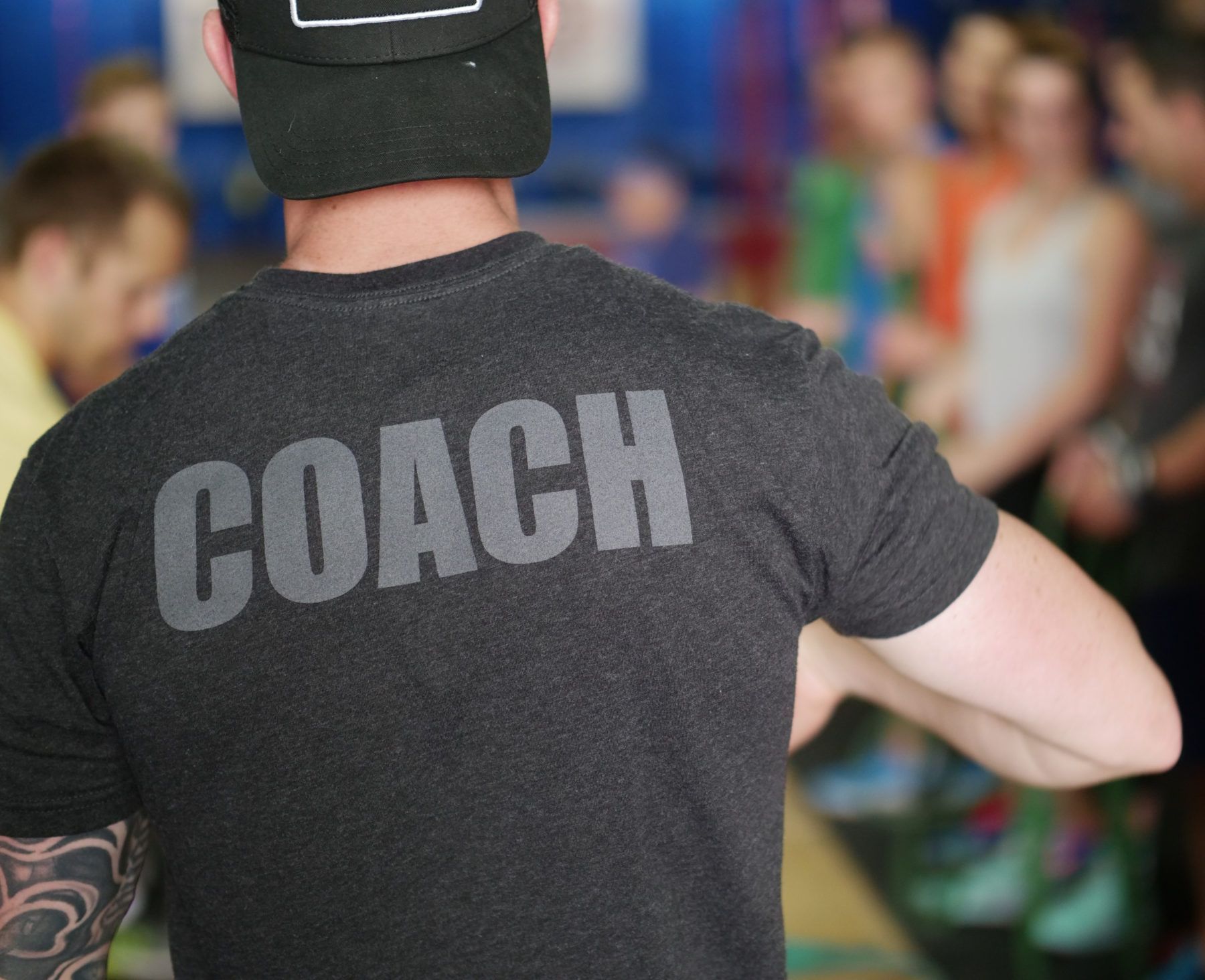
In recent years, CrossFit has surged in popularity as a fitness regimen that promises strength, endurance, and a sense of community. However, alongside its enthusiastic following, questions about safety have often surfaced. Is CrossFit safe? How does it compare to other forms of exercise? Let's delve into these questions to uncover the reality behind the hype.
What is CrossFit?
CrossFit is a high-intensity fitness program that combines elements of weightlifting, gymnastics, and cardiovascular exercises. Workouts typically involve functional movements performed at high intensity relative to the individual, aiming to improve overall fitness and athletic performance. One of its defining features is the emphasis on varied, challenging workouts. But don't be fooled y\by terminology. High intensity doe not mean maximum intensity.
The Safety Debate - Potential Risks - Mitigating Factors
1. **Qualified Coaching**: Proper coaching is crucial in CrossFit. Accredited trainers teach correct technique, tailor workouts to individual abilities, and ensure safety protocols are followed. This means you will always have a caring watchful eye on you.
2. **Scalability**: Workouts are scaled to accommodate different fitness levels, allowing beginners to start at a manageable intensity and progress gradually. And this is how you will continue to be challenged. It never gets easier, you just get better!
3. **Community and Support**: CrossFit communities provide support and camaraderie which helps with accountability as well.
Benefits of CrossFit
1. **Functional Fitness**: CrossFit emphasizes functional movements that translate to real-life activities, improving overall fitness and strength.
2. **Variety and Challenge**: The constantly varied workouts keep you engaged and challenged in different ways, preventing plateaus and boredom.
3. **Community Spirit**: People thrive in a supportive community atmosphere, fostering motivation and accountability.
Safety Tips for CrossFit
1. **Listen to Your Coach**: Each workout is designed to hit a specific stimulus. It's not just random. It is purposeful by design. Sometime we go short or long, heavy or light, sprint or pace, intervals and strength days. If you have a question about the programming, talk to your Coach.
2. Refer to #1 - A CrossFit Coach is an expert in their craft.
Conclusion
In CrossFit, we seek virtuosity: doing the common uncommonly well. We don’t just want you to squat; we want you to squat as well as you can — and we hold the same standard for our coaches and the art of coaching.
The best CrossFit coaches tell their athletes to “stick to the basics, and when you feel you’ve mastered them, it’s time to start all over again, begin anew — again with the basics — this time, paying closer attention” — and then they apply the same principle to their coaching. They do this by pursuing higher credentials and regular continuing education, all while learning from evaluation.
There are plenty of “experts” out there; all you need to be a health or fitness guru is an Instagram account and followers.
Because CrossFit was the first to define fitness in an objectively measurable, observable, and repeatable way, it was the first to professionalize the fitness trainer in a meaningful way.
I’m not talking about the mic’d-up group-fitness instructor leading a choreographed workout routine or the personal trainer with a bike to see you — and I’m not disparaging them, either. They offer a guided exercise experience that’s better than nothing.
But for long-lasting, life-changing results, you need the kind of coach equipped to change lives.
CrossFit offers a dynamic approach to fitness with undeniable benefits, but like any intense workout program, it comes with potential risks. By prioritizing safety, choosing qualified coaching, and respecting individual limits, participants can enjoy the benefits of CrossFit while minimizing the chances of injury.
Ultimately, whether CrossFit is safe for you depends on your current fitness level, dedication to proper technique, and awareness of your body's limits. As with any fitness regimen, balance and informed decision-making are key to a healthy and sustainable experience.
When you are ready to start your fitness journey, find CrossFit box near you!
Previous WODs

Work Stress and Exercise: How to Train, Eat, and Recover During Busy Weeks Have you ever arrived at the gym feeling like you've already completed a workout? Not because you already have. Because you've spent the entire day working, managing responsibilities, making decisions, dealing with unexpected problems, and trying to keep up with everything that needs your attention. By the time you finally have an opportunity to exercise, you're exhausted. And now you're supposed to work hard. Sound familiar? A recent national workplace survey reported that 75% of employees experience workplace stress . That's a significant number of people navigating demanding days while also trying to take care of their health. It raises an interesting question. How do we approach exercise, nutrition, and recovery when life is already asking so much from us? Your Workout Isn't the Only Thing Demanding Energy We often think about exercise as something separate from the rest of our lives. We go to work. We manage our responsibilities. Then we go to the gym. But our bodies don't experience those activities as completely unrelated events. Physical training creates demands that our bodies must adapt to. So do insufficient sleep, demanding work schedules, and other sources of stress. That doesn't mean all stress is bad. In fact, appropriately challenging exercise is one of the ways we become fitter. The important distinction is understanding that our capacity to recover and adapt can be influenced by what's happening outside the gym. Training Hard Still Matters At Warrior's Path CrossFit, we believe in challenging people. We want our members to become stronger, improve their cardiovascular fitness, learn new skills, and accomplish things they previously thought were beyond their abilities. Those improvements require effort. Sometimes significant effort. But there's a difference between applying an appropriate training stimulus and assuming that harder is always better. Imagine two athletes performing the same workout. One slept well, feels recovered, and is ready to challenge a previous performance. The other has been working long hours, sleeping poorly, and feeling unusually fatigued. Both can benefit from training. But the most appropriate approach may not look the same. That's where coaching becomes valuable. Not because we want to remove every challenge. Because we want the challenge to accomplish something useful. Stress Can Influence How We Eat Nutrition presents another interesting challenge. When life becomes demanding, eating behaviors can change. Some people find themselves eating quickly or skipping meals. Others may rely more heavily on convenient foods. Some notice changes in hunger, appetite, or their usual routines. And now we're seeing new research examining whether the timing of meals may also influence health. That's worth investigating. But research findings shouldn't automatically become another source of anxiety about food. A person working an overnight shift, for example, may have limited control over when meals fit into the day. Rather than immediately introducing another rule, we can explore what's happening. Are meals being missed? Is someone regularly arriving at workouts without enough energy? Are there opportunities to make food more accessible? What would help? Those questions can lead to useful behavior changes. Mindset Isn't Just About Pushing Harder Here's where I think we sometimes misunderstand discipline. When we're struggling, our first instinct may be to demand more from ourselves. Try harder. Be more organized. Wake up earlier. Stop making excuses. And sometimes greater effort really is necessary. But sometimes the problem isn't effort. It's that we're trying to manage too many demands without enough resources. An effective mindset involves recognizing that distinction. What deserves your attention? What can wait? Where would additional effort make a meaningful difference? Where might support be useful? These aren't questions about lowering expectations. They're questions about directing effort effectively. What Does Your Body Need From You This Week? Here's something worth considering. Before your next workout, take a moment to notice how you're feeling. Not to decide whether you deserve to exercise. But to understand what you're bringing into the experience. Are you energized? Tired? Mentally distracted? Excited to train? Struggling with recovery? That information can help guide a productive conversation with your coach. The same principle applies to nutrition and other healthy behaviors. You don't need to respond to every demanding week by abandoning your goals. And you don't need to prove your commitment by ignoring every signal that something needs attention. The goal is to keep developing your health while learning how to manage the demands that come with living. At Warrior's Path CrossFit, that's part of what professional coaching is about. We challenge people. We teach. We observe. We help them make informed decisions. Because the purpose of training isn't simply to see how much effort someone can tolerate. It's to help them become healthier, fitter, and more capable through the process. Editorial note: This article is intended as general education, not guidance for diagnosing or treating burnout, sleep disorders, or other medical conditions.

Fitness Should Be Fun: Why Enjoying Exercise Matters for Long-Term Success

What A CrossFit Affiliate Can Be
Coaching Is a Profession: Why Raising the Standard Matters

Build the Foundation Before You Optimize
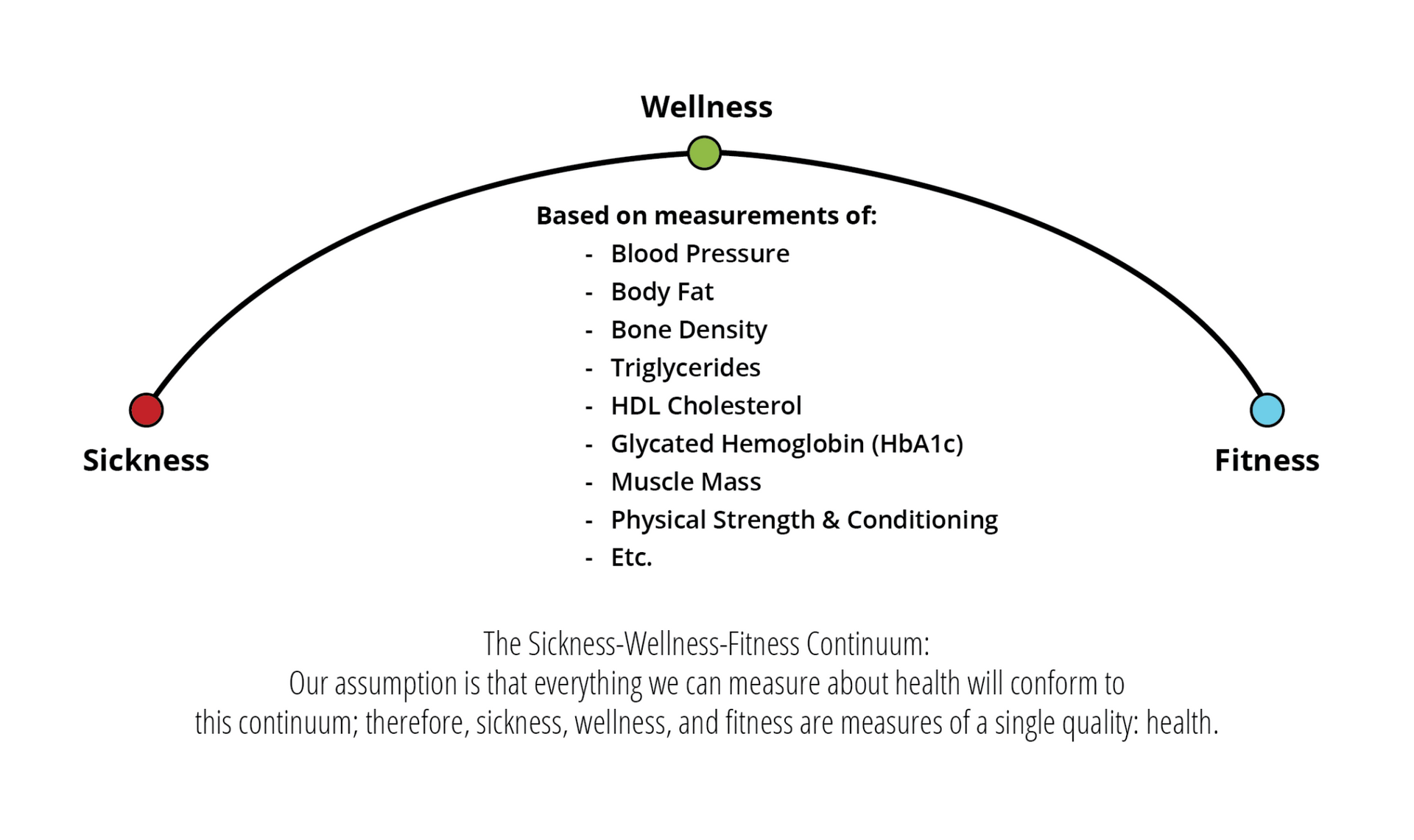
Understanding the Sickness–Wellness–Fitness Continuum

W earables Know a lot About Us

How To Get Back Into A Healthy Routine This Fall

Fitness, Nutrition & Mindset Trends
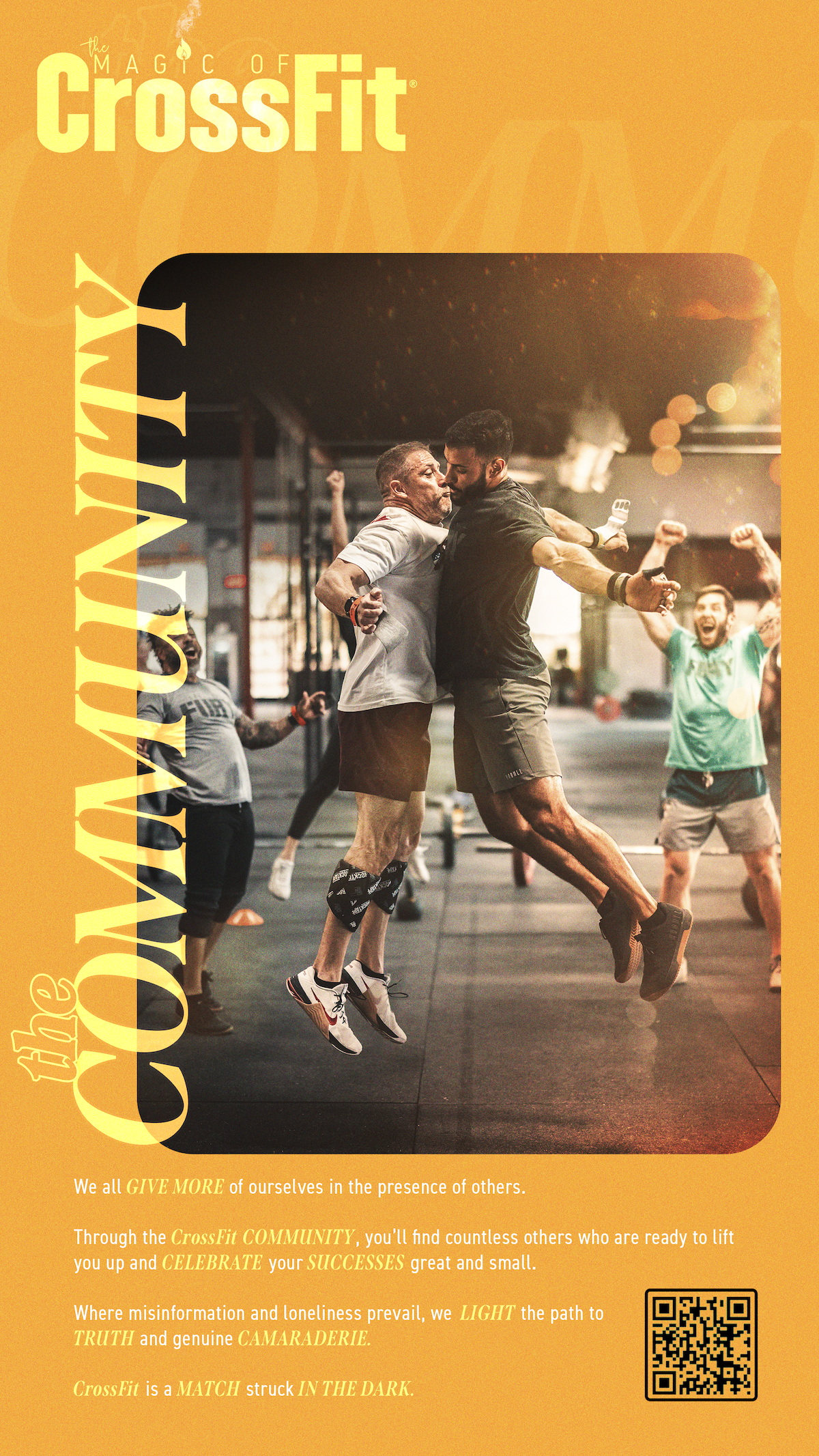
Connection is a Fundamental Human Need
Stop missing out
Lorem ipsum dolor sit amet, consectetur adipiscing elit, sed do eiusmod tempor incididunt ut labore et dolore magna aliqua.